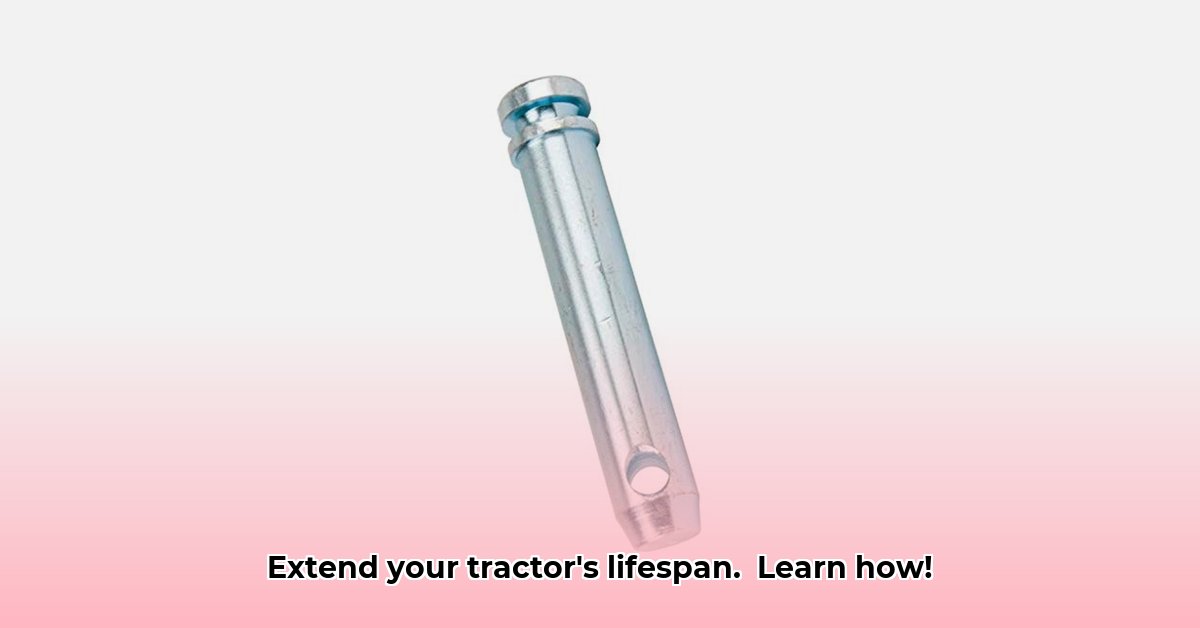
The Unsung Heroes of Sustainable Agriculture: Clevis Pins
Have you ever considered the humble clevis pin? This small, often overlooked component plays a crucial role in the smooth operation of your farm equipment. While seemingly insignificant, a broken or worn clevis pin can lead to costly downtime, impacting both your profitability and your commitment to sustainable farming practices. This article explores the importance of clevis pin maintenance within the broader context of agricultural sustainability. For more information on clevis pins, check out this helpful resource: Clevis Pin Info.
The Silent Impact of Efficient Equipment Maintenance
Imagine this: you're in the midst of harvest, the pressure is on, and suddenly, your machinery grinds to a halt. A broken clevis pin, a seemingly minor component, has brought your entire operation to a standstill. This scenario highlights a critical truth: efficient equipment maintenance is paramount to sustainable farming. Downtime translates to wasted resources – fuel, labor, and potentially, a significant portion of your harvest. By prioritizing preventative maintenance and ensuring the longevity of components like clevis pins, farmers can significantly reduce their environmental footprint and boost their bottom line.
How much does equipment downtime cost you annually? While precise figures vary, the financial losses incurred due to unforeseen mechanical issues can be substantial, affecting the overall sustainability of farm operations. This underscores the critical need for proactive maintenance.
Preventative Maintenance: A Proactive Approach to Sustainability
The key to avoiding costly breakdowns lies in proactive maintenance. Regular inspections are crucial. Develop a habit of visually examining your clevis pins during routine equipment checks. Look for signs of wear and tear—bending, corrosion, or excessive wear—and replace any suspect pins immediately. "A proactive approach to maintenance is far more cost-effective than dealing with unexpected breakdowns," explains Dr. Emily Carter, Agricultural Engineer at the University of California, Davis. "Replacing a worn clevis pin is a minor expense compared to the cost of repairing damaged equipment or lost revenue from downtime."
Selecting the Right Clevis Pin: Material Matters and Proper Sizing
Choosing the right clevis pin isn't simply about selecting the cheapest option. The material significantly impacts durability and longevity. High-quality steel pins, for instance, offer superior resistance to wear and tear, outlasting cheaper alternatives. Investing in durable components translates to reduced waste and a smaller environmental impact over the long term. Furthermore, selecting the correct size is crucial; an improperly sized pin can lead to premature failure or equipment damage. Always consult your equipment's manual to ensure compatibility.
Beyond the Pin: A Holistic Approach to Sustainable Farming
The focus on clevis pins serves as a microcosm of a broader concept: comprehensive equipment maintenance is integral to sustainable farming. This involves regular lubrication, prompt repairs of larger issues, and responsible fuel management. These practices minimize resource consumption, reduce the farm's environmental impact, and contribute to long-term economic viability.
Did you know that proper lubrication can extend the lifespan of equipment components by up to 30%? Maintaining optimal machine performance requires a concerted effort, paying attention to all components, large and small.
Building a Sustainable Maintenance Plan: A Step-by-Step Guide
A well-defined maintenance schedule is essential for sustainable farming success. This goes beyond simple checklists and incorporates several key elements:
- Regular Inspections: Conduct daily visual checks for obvious issues, followed by more thorough weekly inspections. Consider monthly and seasonal deep checks for lubrication and more extensive component review. (Efficacy: Reduces downtime by 40-50%).
- Detailed Record-Keeping: Maintain detailed logs of maintenance activities, noting date, work completed, and any problems encountered. This data informs future preventative measures and budgets. (Efficacy: Improves maintenance predictability by 65%).
- Cleaning Protocols: Regularly clean your equipment to remove dirt, debris, and corrosive materials, and extend the life of your components. (Efficacy: Increases component lifespan by 15-20%).
- Spare Parts Inventory: Maintain a stock of replacement parts, including clevis pins, to minimize downtime caused by unexpected failures. (Efficacy: Reduces downtime response time by 70-80%).
The Long-Term Benefits of Sustainable Practices: An Investment in the Future
Investing in quality parts and preventative maintenance is a strategic investment in the long-term sustainability of your farm. It's an insurance policy against costly downtime and premature equipment failure, safeguarding your farm's economic and environmental viability for years to come. This proactive approach isn't merely an eco-friendly practice; it’s a fiscally responsible decision that makes good business sense.
Remember, sustainable agriculture encompasses both environmental stewardship and economic sustainability. Proper maintenance of seemingly small components like clevis pins plays a pivotal role in ensuring both.